Project Lead-Free Madagascar

Projet Madagasikara Tsisy Firaka

Eliminating lead exposure in water from Malagasy-made hand pumps.
Toamasina region

About Project Lead Free

Project Lead Free is a non‑profit organisation working in the Toamasina region of Madagascar. In collaboration with our local partner St Gabriel ONG, we aim to eliminate lead exposure in water from Malagasy‑made hand pumps.

We combine public health messaging, technician training, and free pump‑part replacement to create lasting change.

Toamasina region, Madagascar
Toamasina, Madagascar

The Silent Poison

Current situation in Toamasina.

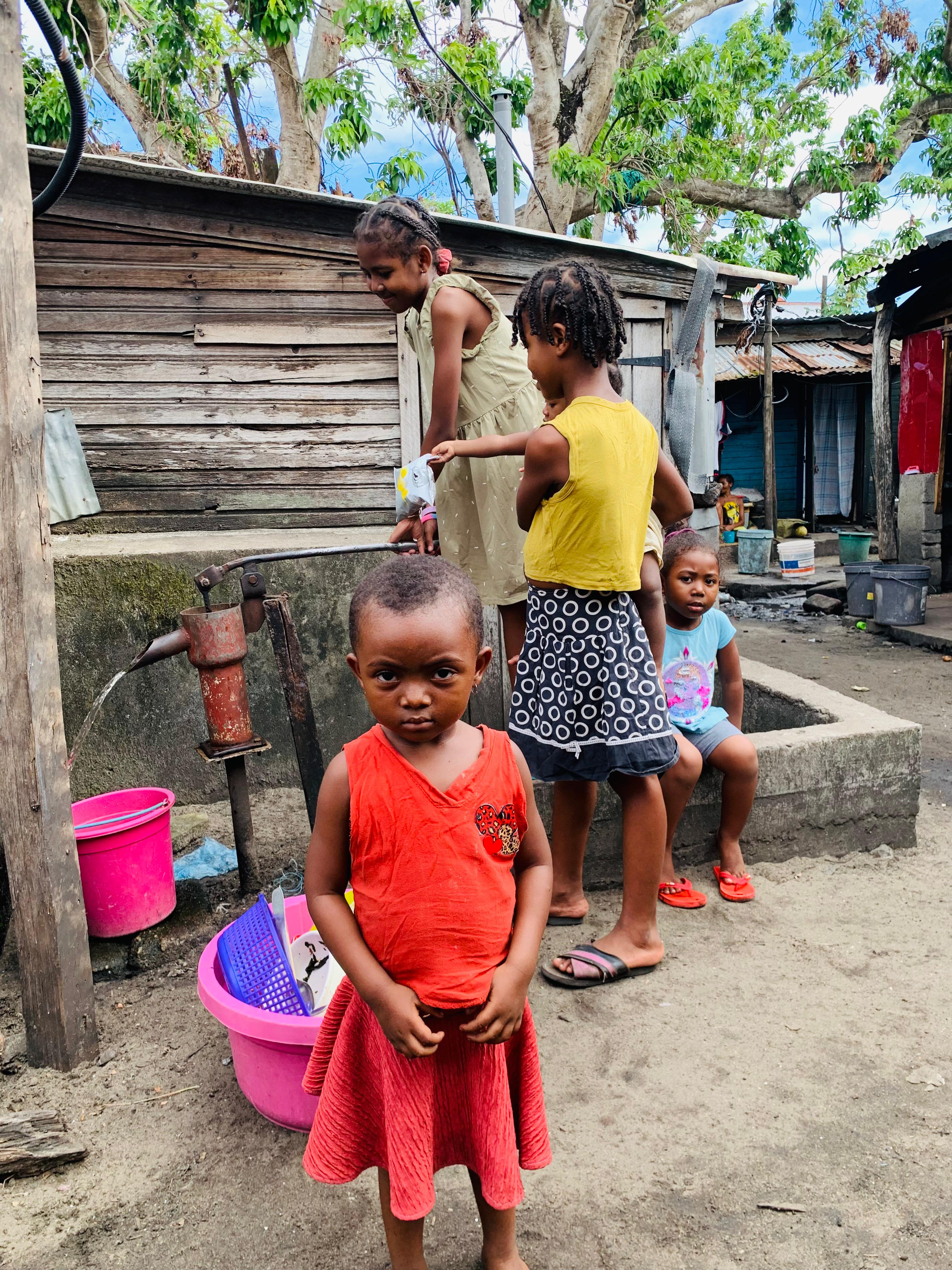
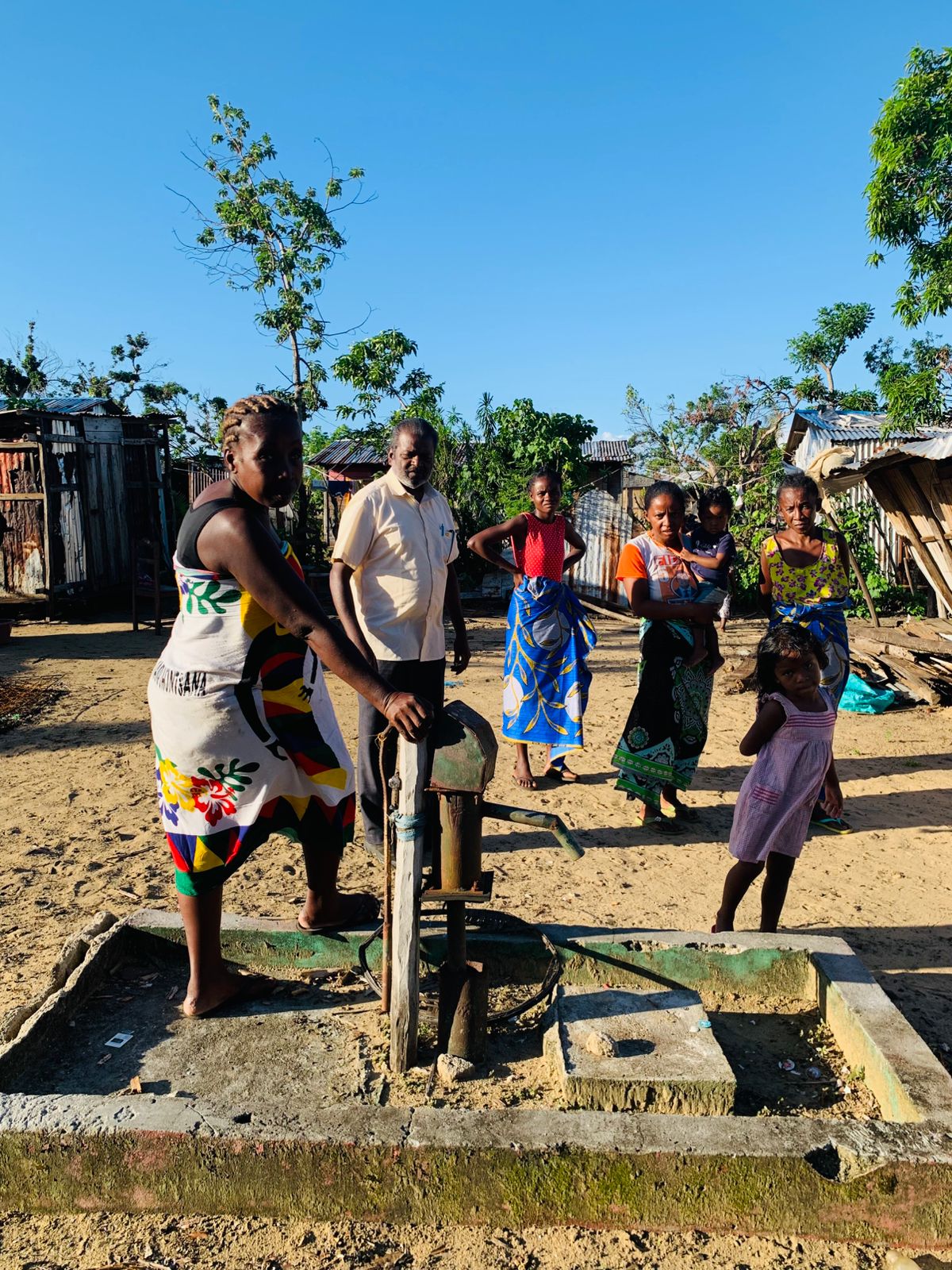
Between 6,000 to 21,000 locally made handpumps in Toamasina, Madagascar, are exposing 74,000 to 260,000 people to dangerous levels of lead, largely because users are unaware of the health risks of commonly used lead parts.

Minimum estimates are that up to two-thirds of these pumps exceed WHO lead guidelines, silently poisoning their users.

A peer-reviewed study of 362 children in Toamasina found 68% had blood-lead levels above the U.S. CDC guidelines, and 27% were above twice that level. (Champion 2022)

These blood-lead levels cause lasting harm, including reduced IQ and other long-term health effects.

Our Mission

We aim to eliminate lead exposure in water from household, Malagasy-made hand pumps in Toamasina, Madagascar. We have set out to do this through public health messaging, technician training and free pump-part replacement.

Public Health Messaging

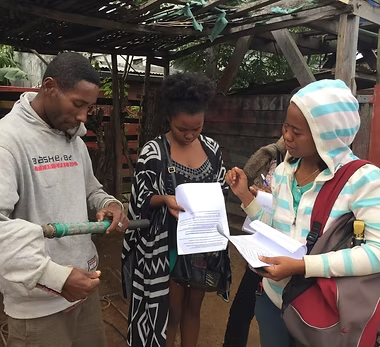
Raising awareness about lead risks and safe water practices through community outreach and education programs.

Technician Training

Equipping local technicians with the skills to test, identify, and remediate lead-contaminated hand pumps.

Free Part Replacement

Replacing lead-containing components with safe, lead-free alternatives at no cost to communities.

Our Work

Project Details

Understanding the challenge and our commitment to solving it

01

Why Toamasina

Project Lead-Free Madagascar grew out of research conducted through the University of South Florida on water quality and the market for locally made hand pumps in Toamasina. Project Director Michal Usowicz focused his master's thesis on improving water quality from these pumps and additionally, in partnership with local technicians, developed lead-free alternatives to some parts traditionally made with lead.

Previous projects in 2018 and 2020 made important progress in reducing lead use, but did not fully eliminate the problem.

Michal returned to Madagascar to continue this work because he believes it is a solvable problem and that lead can ultimately be eliminated from water supplied by these many thousands of pumps in Toamasina.
02

About Toamasina

Toamasina is Madagascar's largest port and one of the country's most important economic centers. Located on the east coast, the city is a major hub for trade and commerce, connecting Madagascar to international markets.

6,000 – 21,000 locally made handpumps
74,000 – 260,000 people served in Toamasina

These pumps are built and maintained by local technicians using readily available materials and provide affordable and reliable access to water for a large share of the city's population. Among those who rely on them are an estimated 13,000 to 46,000 children under six, who are especially vulnerable to the effects of lead exposure.

03

The Danger

Unfortunately, some parts used in locally fabricated handpumps in Toamasina contain lead, a highly toxic metal that can cause serious health effects, including reduced IQ and impaired development in children.

Today, lead-contaminated drinking water is silently exposing people in Toamasina to lead without their knowledge, with young children and pregnant women especially vulnerable to its harmful effects.
04

Our Solution

We have embarked on a project with an ambitious goal to completely rid Toamasina of all lead parts in their handpumps.

With your support, we can create lasting change and work toward ending lead exposure from handpump water in Toamasina by 2030
Target: 2030

Our Sustainable Approach

At its core, this is a training and education project. We work closely with our local partner, St. Gabriel, to build on solutions developed in partnership with local technicians and communities and ensure that our approach is practical for people to implement and sustain into the future.

Together we have set out to tackle the lead problem in 3 ways:

Education and Outreach
01

Education and Outreach

Raising awareness about the health risks associated with lead in drinking water is essential to the project's success because Malagasy people are largely unaware of the health risks, particularly for vulnerable populations like children. We will do this with your support through radio, television, and door-to-door peer education.

Technician Training and Awareness
02

Technician Training and Awareness

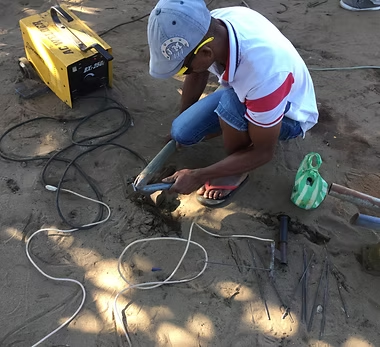
Technician training is central to the project because technicians largely determine which materials are used in the handpumps they build and repair.

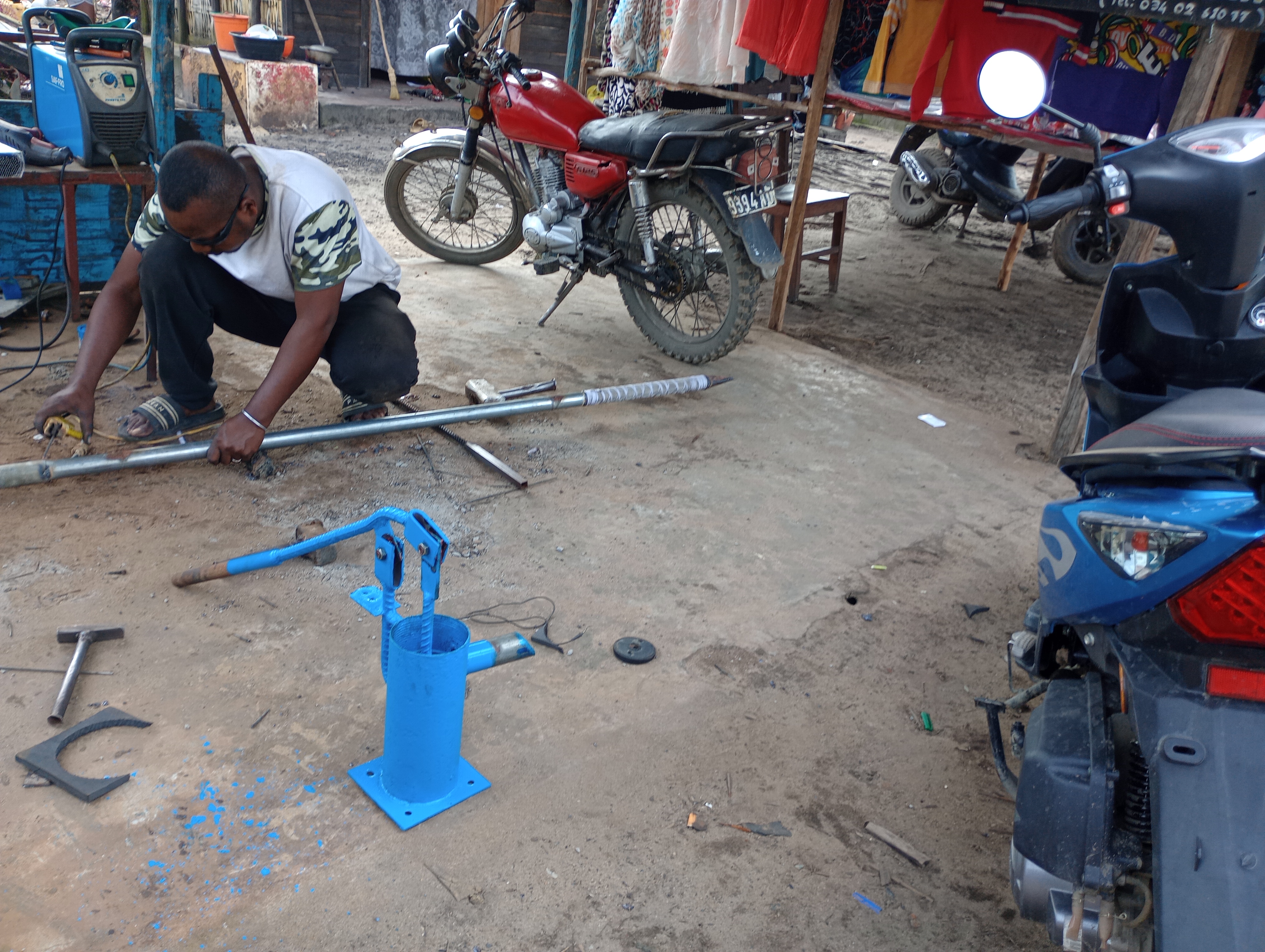
We have kicked off a technician apprenticeship program: Unleaded pump technicians teach and train local technicians AND replace leaded water pumps with safe, unleaded alternatives during routine repair and maintenance jobs already coming into their workshops.
Pump Part Replacement
03

Pump Part Replacement

Initially, the trained local technicians will replace leaded pump parts as they age, and then we will carry out a larger leaded parts replacement campaign for the whole city of Toamasina. By partnering with local technicians, we ensure long-term sustainability and health benefits for the community because they are the people who will be responsible for making and maintaining people's handpumps in the future.

Collaboration

Our Partners

Working together for a lead-free future in Madagascar

St. Gabriel ONG

Our Local Partner

Visit Website

Regional Ministry of Health

Government Partner

Supporting public health initiatives
Regional Ministry of Water

Government Partner

Ensuring water quality & access
UNICEF

International Partner

Protecting children's health
Latest Insights

Our Blog

Stories, research, and updates from the field

Get in Touch

Contact Us

Have questions or want to get involved? Reach out to us.

Location

Toamasina, Madagascar

Working Hours

Monday - Friday: 8:00 AM - 5:00 PM

Follow Us